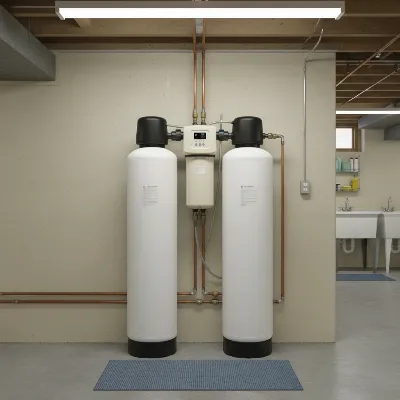
Bringing a new water softener into your home is a significant step towards combating the challenges of hard water. This innovative system works tirelessly to transform your water, protecting appliances, extending linen life, and leaving your skin feeling noticeably softer. However, like any sophisticated home appliance, a water softener isn’t a “set it and forget it” solution. To ensure it continues to deliver optimal performance, remain energy-efficient, and serve your household for years to come, regular and diligent maintenance is absolutely essential. This guide provides comprehensive, actionable tips to keep your water softener in peak condition, saving you from costly repairs and the unwelcome return of hard water woes.
Understanding Your Water Softener: The Basics of Soft Water
Hard water is a common nuisance characterized by high concentrations of dissolved minerals, primarily calcium and magnesium. These minerals, while generally harmless for consumption, can wreak havoc on your plumbing, appliances, and even your personal well-being. From unsightly limescale buildup on faucets and showerheads to stiff laundry and dry, irritated skin, the effects of hard water are far-reaching.
A water softener addresses these issues through a process called ion exchange. Inside the softener’s main tank, hard water flows over a bed of resin beads. These tiny beads carry a negative charge and are typically coated with positively charged sodium (or potassium) ions. As the hard water passes through, the calcium and magnesium ions, which have a stronger positive charge, are attracted to the resin beads, effectively “exchanging” places with the sodium ions. The result is softened water flowing into your home, while the hardness minerals are trapped in the resin bed. This ingenious system relies heavily on regular maintenance to keep the resin beads clean and ready for exchange.
Why Regular Water Softener Maintenance is Crucial
Neglecting your water softener’s maintenance is akin to owning a high-performance car but never changing its oil. While your system might seem to be working fine on the surface, a lack of consistent care can lead to a cascade of problems that diminish its efficiency and shorten its lifespan. Regular maintenance ensures your softener operates at its peak, providing a continuous supply of soft water without interruption. It helps prevent mineral buildup that can clog internal components, ensuring your system doesn’t have to work harder—and use more energy or salt—to achieve the desired results. Ultimately, proactive maintenance is an investment that saves you money in the long run by avoiding expensive repairs, extending the life of your appliance, and protecting your plumbing from corrosive hard water scale.
> “A well-maintained water softener isn’t just about soft skin; it’s about protecting your entire home’s plumbing infrastructure and maximizing the efficiency of every water-using appliance.”
Key Maintenance Tasks for Your Water Softener
Maintaining your water softener involves a few straightforward tasks that, when performed regularly, can significantly impact its performance and longevity.
Checking and Refilling Salt Levels
Table is empty.The salt in your water softener’s brine tank is the lifeblood of its regeneration process. Without sufficient salt, your system cannot effectively clean its resin beads, leading to hard water.
You should check your salt levels at least once a month. Visually inspect the brine tank: the salt level should ideally be a few inches above the water level, or at least half full. If it falls below this, it’s time to refill. Many modern softeners include low-salt indicators, but a manual check is always wise.
The frequency of refilling depends on several factors, including your household’s water usage, the hardness of your incoming water, and the efficiency of your specific softener model. Larger families or areas with very hard water may need more frequent refills, sometimes every 2-3 weeks, while smaller households with moderate water hardness might only need to replenish every 6-8 weeks.
Signs that your water softener needs more salt include the reappearance of hard water spots on dishes, soap not lathering effectively, or your system’s digital alerts indicating a low salt level. Consistently maintaining adequate salt levels ensures the regeneration cycles run efficiently and your home always enjoys soft water.
Preventing and Breaking Up Salt Bridges
A common issue that can halt your softener’s performance is a “salt bridge.” This occurs when the salt in your brine tank forms a hard crust, or bridge, above the water level. This solid layer prevents the salt from dissolving properly into the water, meaning no brine solution can be made to regenerate the resin, and your softener will effectively stop working.
To identify a salt bridge, simply look into your brine tank. If the salt level appears static over weeks or months, or if you can see a crusty layer, you likely have a salt bridge. Breaking it up is relatively simple: carefully use a broom handle, a long stick, or a similar blunt instrument to gently probe and break apart the hardened salt. You can also pour some warm water over the affected area to help dissolve the crust. Be cautious not to damage the tank’s internal components, such as the brine well or float mechanism, during this process. Regular inspection and adding salt before the tank gets too low can help prevent salt bridges from forming.
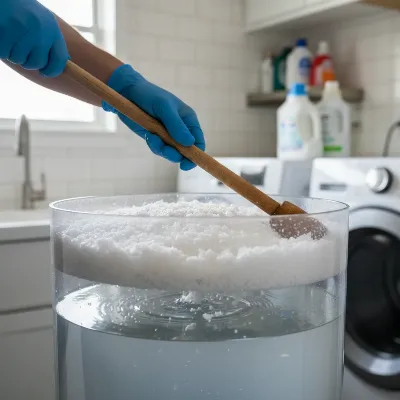 A person carefully breaking up a salt bridge in a water softener brine tank with a long stick.
Cleaning the Brine Tank
Over time, sediment and impurities from the salt can accumulate at the bottom of the brine tank, forming a sludge. This buildup can reduce your softener’s efficiency and even lead to blockages or malfunctions. For optimal performance, most manufacturers recommend cleaning the brine tank every 1-3 years, though annual cleaning is good practice, especially if you use less pure salt.
Here’s a general guide for cleaning your brine tank:
- Bypass the System: Locate your water softener’s bypass valve and turn it to the “bypass” position. This temporarily reroutes water around the softener, allowing you to work on it without interrupting your home’s water supply.
- Disconnect and Empty: Unplug the softener and disconnect the brine tank. Carefully scoop out any remaining salt, then use a wet-dry vacuum or sponge to remove all water from the tank. Dispose of salty water responsibly, as its high sodium content can harm plants.
- Scrub and Rinse: Remove the brine well and any other internal components. Using warm water and a mild dish soap, scrub the inside of the tank with a long-handled brush to remove sludge and residue. Rinse the tank thoroughly with clean water.
- Sanitize (Optional, but Recommended): If your manufacturer’s manual permits, you can use a diluted bleach solution (e.g., ¼ cup of bleach per gallon of water) to sanitize the tank. Pour the solution in, let it sit for 15 minutes, then scrub and rinse completely to remove all traces of bleach.
- Reassemble and Refill: Reinstall the internal components and reconnect the brine tank to the system. Refill the tank with fresh water and high-quality salt.
- Restart: Plug the softener back in and return the bypass valve to the “service” position. Run a manual regeneration cycle to flush out any air and ensure the system is operating correctly.
Flushing the Resin Bed
The resin beads, responsible for the ion exchange, can become fouled over time with iron, dirt, or other contaminants, especially in homes with well water. While regeneration cycles help clean them, periodic flushing with a specialized resin cleaner can significantly extend their life and maintain efficiency.
It’s recommended to use a resin bed cleaner every 6-12 months, particularly if your water has high iron content. These cleaners are typically poured directly into the brine tank before initiating a manual regeneration cycle. Always follow the cleaner’s and your softener’s manufacturer instructions for proper dosage and procedure to ensure the resin bed is effectively cleansed and impurities are flushed away.
Inspecting for Leaks and Damage
Regular visual inspections can catch minor issues before they escalate into major problems. At least once a month, take a few minutes to look over your water softener system. Check all connections, hoses, and pipes for any signs of leaks or drips. Examine the bypass valve to ensure it’s in the “service” position and hasn’t been accidentally bumped into “bypass” mode, which would prevent the softener from working. Promptly addressing any leaks can prevent water damage and ensure your system maintains optimal pressure and efficiency.
Understanding Regeneration Cycles
The regeneration cycle is the heart of your water softener’s operation, responsible for cleaning the resin beads once they become saturated with hard minerals. During regeneration, a concentrated salt solution (brine) is drawn from the brine tank and flushed through the resin bed. This brine solution effectively “recharges” the resin by stripping away the accumulated calcium and magnesium ions, which are then flushed down the drain. Fresh water then rinses any remaining brine, preparing the resin for its next softening cycle.
Modern water softeners typically use “on-demand” regeneration, meaning they monitor your water usage and only regenerate when necessary, optimizing salt and water consumption. Older or simpler models might operate on “timed” cycles, regenerating at a preset interval (e.g., every few days), often in the middle of the night when water usage is minimal. Understanding your system’s regeneration schedule and ensuring it’s programmed correctly is vital for consistent soft water. If you notice a sudden increase in hard water symptoms, checking the regeneration settings should be one of your first troubleshooting steps.
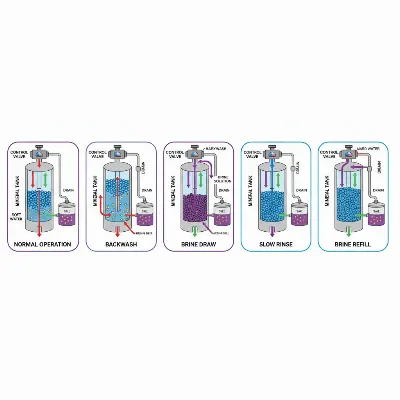 An illustrative diagram showing the stages of a water softener regeneration cycle.
Testing Water Hardness
Even with regular maintenance, it’s a good idea to periodically test your softened water to confirm your system is performing as expected. Water hardness test kits are readily available and can quickly tell you the mineral content of your water. If your water softener suddenly seems less effective, or if you notice the return of hard water symptoms, a simple hardness test can help diagnose whether your softener is failing to regenerate or if the resin beads are losing their effectiveness. Testing your water once or twice a year provides valuable feedback on your softener’s health.
Choosing the Right Salt for Your Water Softener
The type of salt you use in your water softener can significantly impact its efficiency, maintenance requirements, and overall lifespan. Selecting the appropriate salt is a crucial maintenance consideration.
Here are the most common types of water softener salt:
| Type of Salt | Purity Level | Pros | Cons | Best For |
|---|---|---|---|---|
| Evaporated Salt | ~99.9% | Highest purity, minimal residue, less prone to bridging. | Most expensive. | Homeowners seeking the highest efficiency and lowest maintenance, especially with very hard water. |
| Solar Salt | >99% | Naturally derived, good purity, dissolves well. | Can sometimes clump, lower solubility than evaporated salt. | General residential use, good balance of quality and cost. |
| Rock Salt | ~95% | Most affordable, widely available. | More impurities, higher risk of sludge buildup and salt bridges, requires more cleaning. | Budget-conscious homeowners, older systems, or those with minimal water usage who don’t mind more frequent brine tank cleaning. |
| Potassium Chloride | 99-99.9% | Sodium-free alternative, environmentally friendly, good for low-sodium diets. | More expensive than sodium-based salts, potentially slightly less efficient. | Households with dietary sodium restrictions or those prioritizing an eco-friendlier option, provided they are prepared for the higher cost and potentially slightly less efficiency compared to high-purity sodium salts. |
Salt Forms: Salt also comes in different forms—pellets, crystals, or blocks.
- Pellets are the most common and effective for modern systems, dissolving slowly and evenly, and are less susceptible to bridging.
- Crystals dissolve faster and are often recommended for older systems that may not handle pellets as well.
- Block salt is rarely recommended for residential softeners unless specifically advised by the manufacturer, as it can be difficult to maintain proper submersion.
Always consult your water softener’s manual for specific salt recommendations. Using the manufacturer-recommended type ensures optimal performance and extends the life of your system.
Troubleshooting Common Water Softener Issues
Even with regular maintenance, water softeners can sometimes encounter issues. Here’s a guide to common problems and what to check:
- Hard Water Symptoms Return: If you suddenly notice limescale, spotty dishes, or dry skin, first check your salt levels and ensure no salt bridge has formed. Verify that the bypass valve is in the “service” position (not bypassing the softener). You might also need to initiate a manual regeneration cycle to reset the system.
- Salt Level Not Dropping: This is a strong indicator of a salt bridge or salt mushing (a layer of dissolved salt sludge at the bottom) preventing the salt from making contact with the water. Break up any visible bridges or clean out mushing as described above.
- Brine Tank Overflowing: An overflowing brine tank typically points to a clogged brine line, a malfunctioning float valve within the brine tank, or a blockage in the drain line. Inspect these components for obstructions and clear any debris.
- Low Water Pressure: Mineral deposits or debris accumulating within the softener’s internal components or plumbing lines can restrict water flow, leading to a noticeable drop in household water pressure.
- Excessive Salt Usage: If your softener seems to be consuming salt more rapidly than usual, it could be due to an incorrectly set regeneration frequency, a faulty brine tank float, or a leak in the system. Check your softener’s settings and inspect the float mechanism.
- Continuous Regeneration: A softener that regenerates constantly is wasteful and indicates a problem such as a broken control valve switch, a pressure issue, or a constant drain of water.
- Clogs in the Control Valve: Sediment or even stray resin beads can sometimes clog the control valve, disrupting the softening process. Cleaning the valve (following manufacturer instructions) may resolve this.
Many minor issues can be resolved with a bit of troubleshooting. However, if you’re unsure or uncomfortable performing a repair, it’s always best to call a professional.
When to Call a Professional
While many maintenance tasks and minor troubleshooting steps can be handled by homeowners, there are times when professional expertise is invaluable. It’s wise to call a certified water treatment technician if:
- Hard water symptoms persist despite your best efforts to troubleshoot and maintain the system.
- You notice motor issues or unusual noises coming from the unit.
- The softener is continuously regenerating or failing to regenerate at all, and you can’t identify a simple fix.
- There are significant leaks that you cannot pinpoint or seal.
- Your system is old, and you suspect the resin beads need replacing or the entire unit might be nearing the end of its lifespan.
- You require a system inspection, which is generally recommended every couple of years to ensure all components are functioning optimally.
A professional can accurately diagnose complex problems, perform intricate repairs, or advise on replacement options, ensuring your system operates efficiently and safely.
Buying Guide: Important Considerations for Water Softener Longevity
Investing in a water softener is a long-term commitment, and making informed choices about its ongoing care is vital for maximizing its longevity and return on investment.
When purchasing a new water softener or evaluating your current one, always prioritize:
- Manufacturer Recommendations: Adhere strictly to the manufacturer’s guidelines for salt type, cleaning agents, and regeneration settings. These instructions are tailored to your specific model’s design and will ensure optimal performance and prevent voiding warranties.
- Professional Servicing: Schedule regular professional check-ups, ideally every two to three years. These comprehensive inspections can identify wear and tear, recalibrate settings, and perform deeper cleaning that extends the system’s life.
- Pre-filters: Consider installing a pre-filter, especially if you have well water with high sediment or municipal water treated with chlorine. Pre-filters protect the softener’s resin bed from premature degradation, as chlorine can break down resin over time, and sediment can clog the system.
- Resin Lifespan: Understand that resin beads, the workhorses of your softener, have a finite lifespan, typically 10-15 years. Be aware of signs that indicate failing resin, such as the return of hard water, diminished soap lather, or a significant increase in salt consumption. While resin replacement is a substantial maintenance item, it is often more cost-effective than replacing the entire softener unit.
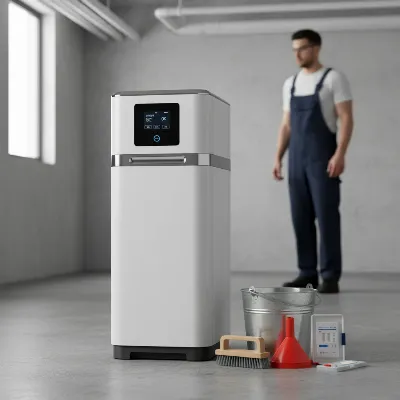 Essential tools and supplies for water softener maintenance with a technician checking a unit.
Conclusion
A water softener is a valuable asset that significantly improves your home’s water quality and protects your plumbing and appliances. By committing to essential, routine maintenance—from diligently checking salt levels and cleaning the brine tank to understanding regeneration cycles and addressing minor issues promptly—you can ensure your system continues to function efficiently for years to come. Proactive care not only prolongs the life of your investment but also guarantees a consistent supply of soft water, enhancing your daily life and preventing costly problems down the line. Don’t wait for hard water symptoms to reappear; make water softener maintenance a regular part of your home care routine.
What small step can you take today to extend the life and efficiency of your water softener?
Frequently Asked Questions
How often should I check the salt level in my water softener?
You should check your water softener’s salt levels at least once a month. Refill the brine tank when the salt drops below half full, or ensure it remains a few inches above the water level for optimal performance.
How often should I clean the brine tank?
It’s generally recommended to clean your water softener’s brine tank every 1 to 3 years. However, if you use less pure salt or have high sediment in your water, annual cleaning may be beneficial to prevent sludge buildup.
What is a salt bridge and how do I fix it?
A salt bridge is a hard crust of salt that forms above the water level in your brine tank, preventing new salt from dissolving. You can fix it by gently breaking it apart with a broom handle or a long stick.
How long does water softener resin last?
Water softener resin beads typically last between 10 to 15 years under normal conditions. Factors like high chlorine content, iron in the water, or very heavy usage can shorten their lifespan to 5-8 years.
Can I use any type of salt in my water softener?
No, it’s crucial to use the correct type of salt recommended by your Water Softener’s manufacturer. Evaporated or solar salt pellets are common choices due to their high purity and efficiency, while rock salt contains more impurities and may require more frequent cleaning.
What are the signs my water softener needs maintenance?
Key signs include the return of hard water symptoms (limescale, spotty dishes), soap not lathering, the salt level in the brine tank not dropping, or unusual noises from the system. These indicate it’s time for an inspection.