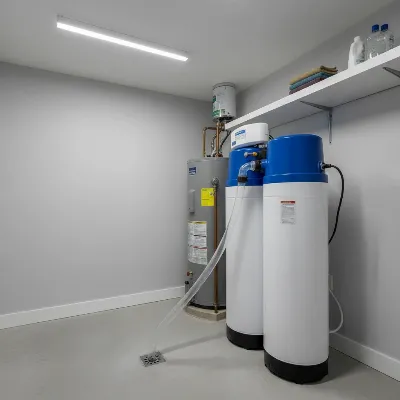
Dealing with hard water can be a constant battle, leaving behind unsightly mineral buildup, damaging appliances, and making skin and hair feel dry. Your water softener is the hero in this fight, quietly working to transform hard water into soft, usable water for your home. However, for this essential appliance to perform its best, its heart—the resin tank—requires regular attention and cleaning. Over time, the resin beads within the tank can become fouled with contaminants, reducing efficiency and leading to a frustrating return of hard water symptoms. This comprehensive guide will walk you through the safe and effective DIY process of cleaning your water softener resin tank, ensuring your system continues to deliver the soft water your home deserves.
Understanding Your Water Softener Resin Tank
At the core of every ion-exchange water softener lies the resin tank, filled with thousands of tiny, negatively charged resin beads. These beads are responsible for attracting and holding positively charged hard water minerals like calcium and magnesium, exchanging them for sodium ions. This process effectively “softens” your water.
However, the resin beads, while durable, are not impervious to buildup. Over time, various contaminants can coat the resin, hindering its ability to perform ion exchange. Common culprits include iron, manganese, silt, sediment, and organic compounds, especially prevalent in well water or older plumbing systems. Unlike calcium and magnesium, which are flushed during regeneration with salt brine, these other impurities can cling to the resin, causing it to become “fouled.” When the resin is fouled, your water softener loses its effectiveness, meaning hard water minerals bypass the softening process.
Recognizing the signs that your resin tank needs cleaning is crucial for maintaining optimal water quality. You might notice a return of hard water symptoms, such as soap scum on fixtures, spots on dishes, or your skin feeling dry after showering. Other indicators include discolored water (often reddish-brown due to iron), a metallic or earthy taste, or even foul odors emanating from your water. A decrease in water pressure or an increased frequency of regeneration cycles without improved water softness can also signal a fouled resin bed. Catching these signs early and performing a thorough cleaning can prevent further damage and extend the life of your water softener.
Essential Supplies for DIY Resin Tank Cleaning
Before you begin cleaning your water softener resin tank, gathering the necessary supplies will ensure a smooth and safe process. Having everything on hand prevents interruptions and allows you to focus on the task.
Here’s a list of the essential items you will need:
- Dedicated Water Softener Resin Cleaner: This is paramount for effective resin cleaning. Products like Pro Products Res Care, Pro Products Rust Out, or Morton MWSC Universal Water Softener Cleanser are specifically formulated to remove iron, manganese, and other common resin-fouling agents. Always choose a cleaner appropriate for your specific water issues (e.g., Rust Out for high iron).
- Bucket and Funnel: A clean bucket will be useful for mixing solutions or catching water. A funnel helps in accurately pouring the cleaning solution into the brine well or salt tank.
- Protective Gear: Safety glasses and chemical-resistant gloves are essential to protect your eyes and hands from splashes, especially when handling cleaning solutions.
- Basic Tools (Optional): You might need a screwdriver to access the control panel or other parts of your water softener, depending on your model.
- Optional for Sanitization or Specific Issues:
- Household Bleach: For sanitizing and eliminating bacteria or foul odors, a small amount of regular household bleach can be used. Always refer to your water softener’s manual before using bleach, as some manufacturers do not recommend it, and never mix bleach with other cleaners.
- White Vinegar: While less effective for heavy iron fouling, vinegar can help dissolve some mineral buildup.
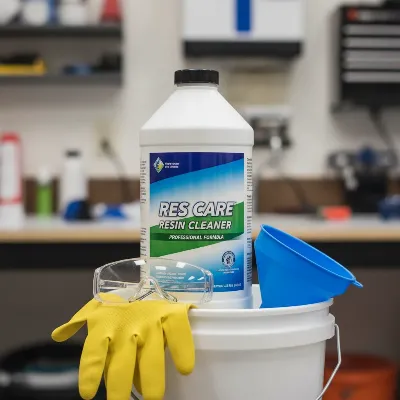 A collection of essential supplies for cleaning a water softener resin tank, including a bottle of dedicated resin cleaner, gloves, safety glasses, a funnel, and a bucket, arranged neatly on a workbench.
Step-by-Step DIY Guide: Safely Cleaning Your Water Softener Resin Tank
Cleaning your water softener’s resin tank is a manageable DIY task that can significantly improve your water quality and system efficiency. Follow these steps carefully to ensure a safe and effective cleaning process.
Step 1: Preparation and Safety First
Table is empty.Begin by preparing your water softener and ensuring your safety. Locate your water softener’s bypass valve, usually a handle or lever near the unit. Turn this valve to the “bypass” position to stop water flow to the softener. Next, unplug the water softener from its power outlet to prevent accidental regeneration during the cleaning process. This is also the time to don your safety glasses and chemical-resistant gloves to protect yourself from cleaning solutions. If possible, wait until the salt level in your brine tank is low; this makes adding the cleaner easier and avoids wasting salt.
Step 2: Choose and Apply Your Cleaning Solution
Selecting the right cleaning solution is critical. For general resin fouling, especially from iron or manganese, a dedicated water softener resin cleaner is highly recommended. These cleaners are formulated to break down specific contaminants that salt alone cannot remove.
- Using a Dedicated Resin Cleaner: Carefully read the instructions on your chosen product for the exact dosage. Most liquid cleaners recommend pouring a specific amount directly into the brine well (a narrow pipe inside the brine tank) or, if your softener doesn’t have a brine well, directly into the salt tank when the salt level is low.
- Using Bleach (for sanitization): If your primary concern is odors or bacterial buildup and your manufacturer’s manual allows it, you can use household bleach for sanitization. A common recommendation is to mix ¼ cup of regular household bleach with 2-3 gallons of water. Pour this solution carefully into the brine well or directly into the salt tank. It is crucial not to mix bleach with any acid-based water softener cleaners, as this can create dangerous fumes.
- Using Vinegar (for light mineral deposits): For lighter mineral buildup, a solution of one part white vinegar to three parts water can be added to the brine well or salt tank. While less potent than dedicated cleaners for iron, it can be a gentler option for routine maintenance.
Step 3: Allow Soaking and Initiate Regeneration
Once the cleaning solution has been added, allow it to soak for the time recommended by the product manufacturer. This could range from 15 minutes for some sanitizing solutions to several hours or even overnight for heavy-duty resin cleaners to work effectively. After the soaking period, it’s time to initiate a manual regeneration cycle. Consult your water softener’s manual for specific instructions on how to start a manual regeneration. This cycle will draw the cleaning solution through the resin tank, flush out the loosened contaminants, and then rinse the system thoroughly.
Step 4: Flush and Return to Service
After the regeneration cycle is complete, the system will have flushed most of the cleaning solution. However, it’s important to ensure no residue or taste remains. Run the cold soft water tap nearest to your softener for several minutes, or until you can no longer detect any unusual taste, odor, or discoloration in the water. For severely fouled systems, you might need to repeat the manual regeneration process one or more times to fully flush everything out. Once you are satisfied with the water quality, open the bypass valve to return the water flow through the softener. Finally, plug your water softener back into its power outlet, and it will resume its normal operation. Perform a quick check for any leaks around the system to confirm everything is sealed properly.
Choosing the Right Water Softener Resin Cleaner
Selecting the appropriate water softener resin cleaner is vital for effective maintenance and addressing specific water issues. Not all cleaners are created equal, and understanding their primary functions can help you make an informed decision.
For homes dealing with significant iron and manganese buildup, often indicated by reddish-brown stains or metallic-tasting water, products like Pro Products Res Care or Pro Products Rust Out are highly recommended. Res Care is a professional-grade liquid cleaner known for its ability to remove up to 99% of iron and manganese, along with silt and organic buildup, effectively restoring resin bead efficiency. It’s NSF certified, ensuring safety for drinking water. Rust Out is particularly effective for very high iron levels, often found in well water, and comes in a powder formula that allows for extended contact time with the resin.
For general maintenance or for homeowners on a budget, cleaners such as Morton MWSC Universal Water Softener Cleanser or Pro Products Softener Mate are excellent choices. Morton’s cleaner offers solid performance at an affordable price, making regular use practical to prevent heavy fouling. Softener Mate, formulated with food-grade citric acid, is a gentler option suitable for routine maintenance in low-iron conditions, valued for its safety profile.
If your water softener is experiencing foul odors or bacterial growth, and your manufacturer’s guidelines permit, a bleach solution can act as a sanitizing agent. However, bleach is not designed to remove mineral or iron buildup. Always prioritize dedicated resin cleaners for physical fouling and use bleach with caution and according to manufacturer instructions for sanitization purposes only. Never mix bleach with other cleaners.
When choosing, always check for NSF certification (specifically NSF/ANSI/CAN Standard 60 for drinking water additives) to ensure the product is safe for use in your water system. Considering the specific contaminants in your water and the product’s active ingredients will help you pick the most effective cleaner.
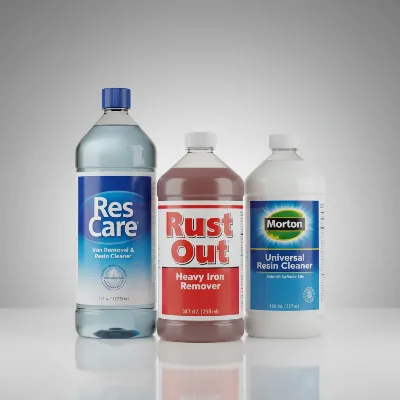 Three different bottles of water softener resin cleaners, showing various brands and types, with emphasis on their iron removal or general maintenance properties.
Important Safety Precautions and Maintenance Tips
Ensuring your safety and prolonging the life of your water softener goes beyond just the cleaning process. Adhering to specific precautions and incorporating regular maintenance habits are key to a high-performing and safe system.
Safety First:
- Read the Manufacturer’s Manual: This cannot be stressed enough. Each water softener model and cleaning product may have unique instructions and warnings. Always refer to them first.
- Wear Personal Protective Equipment (PPE): Always wear chemical-resistant gloves and safety glasses to protect against accidental splashes or skin contact with cleaning solutions.
- Ensure Adequate Ventilation: Work in a well-ventilated area to avoid inhaling fumes from cleaners, especially when using bleach or strong chemical products.
- Never Mix Chemicals: This is a critical safety rule. Mixing different cleaning agents, particularly bleach with acid-based cleaners (like many iron removers), can produce dangerous and toxic gases. Use one product at a time and flush thoroughly between different treatments.
Maintenance Tips for Longevity:
- Regular Cleaning Frequency: Most experts recommend cleaning your water softener resin tank annually. However, if you have well water with high levels of iron or other contaminants, or if you notice recurring issues, a semi-annual cleaning might be more beneficial.
- Monitor Salt Levels: Consistently maintain adequate salt levels in your brine tank. Low salt levels can lead to incomplete regeneration cycles and increased resin fouling.
- Clean the Brine Tank: While this article focuses on the resin tank, the brine tank (where salt is stored) also requires regular cleaning, typically once a year. Salt mushing or salt bridges can form, preventing the brine solution from reaching the resin.
- Inspect the Venturi Valve: This small component on the control head is crucial for drawing brine into the resin tank. Periodically inspect and clean it if you suspect a blockage, as buildup can impair the softener’s function.
- Consider Professional Help: If you’re unsure about any step, if your system is severely fouled, or if problems persist after DIY cleaning, do not hesitate to consult a qualified water treatment professional. They can offer specialized cleaning, diagnostics, or advise on resin replacement if necessary.
By following these safety precautions and integrating regular maintenance into your routine, you can ensure your water softener operates efficiently, safely, and provides your home with soft water for years to come.
> “Regular maintenance, especially cleaning the resin tank, is the single most important thing a homeowner can do to extend the life and efficiency of their water softener. It’s often overlooked, but it makes all the difference.” – Admin, Reviewcopia.com, Water Treatment Specialist
Troubleshooting Common Resin Tank Issues
Even with regular cleaning, you might encounter issues with your water softener. Understanding how to troubleshoot these common problems related to the resin tank can help you address them promptly or determine when professional help is needed.
- Hard Water Returning After Cleaning: If your water still feels hard after a thorough resin tank cleaning, it could indicate that the cleaning wasn’t sufficient for severe fouling, and you might need to repeat the process with a stronger, dedicated cleaner. Alternatively, it could mean your resin beads are exhausted and require replacement, especially if your system is old (typically 10-15 years for resin). Ensure your softener is set to regenerate correctly and that sufficient salt is being used.
- Discolored Water Persists: Reddish-brown or yellowish water often points to high iron levels. If this persists after cleaning, the iron fouling might be too extensive for a DIY clean, or you may have non-ferrous iron (particulate iron) that a standard softener isn’t designed to remove. It could also suggest issues with your pipes or a need for specialized pre-filtration.
- Foul Odors Remain or Return Quickly: Unpleasant smells, particularly sulfur or earthy odors, often indicate bacterial growth or organic fouling in the resin tank. While bleach can sanitize, persistent odors may require more aggressive sanitization methods or specialized cleaners. If the odors are very strong or don’t dissipate, it might be a sign of deeper issues in your water source or the system itself.
- Reduced Water Pressure: A noticeable drop in water pressure can occur if the resin bed becomes clogged with sediment, iron particles, or if the resin beads start to break down and form a “mush” that restricts flow. Cleaning can help alleviate this, but if the issue persists, a professional might need to inspect the resin bed for severe fouling or degradation. Sediment pre-filters can prevent this issue in the first place.
These troubleshooting steps can guide you in maintaining your system. However, if you’ve exhausted DIY solutions and problems persist, consulting a water treatment expert is always the safest and most effective course of action.
Conclusion
A well-maintained water softener is invaluable for any home, protecting appliances, enhancing personal hygiene, and delivering the undeniable benefits of soft water. The resin tank, as the active component, requires regular care to prevent fouling and ensure your system continues to operate at peak efficiency. While the prospect of cleaning your water softener resin tank might seem daunting, it is a straightforward DIY task that, when performed safely and correctly, can significantly extend the lifespan and effectiveness of your unit.
By understanding the causes of resin fouling, utilizing the right cleaning solutions, and diligently following the step-by-step process outlined in this guide, you can confidently restore your water softener’s performance. Remember to prioritize safety by wearing protective gear and never mixing chemicals. Regular maintenance not only prevents costly repairs but also guarantees a consistent supply of soft, clean water for your household. Don’t let a fouled resin tank compromise your water quality—take proactive steps to clean it and enjoy the lasting benefits.
What has been your experience with water softener maintenance, and what tips would you share with other homeowners?
Frequently Asked Questions
How often should I clean my water softener resin tank?
Most experts recommend cleaning your water softener resin tank annually to prevent buildup and maintain efficiency. However, if your home has well water with high iron content or other specific contaminants, you might benefit from more frequent cleanings, such as every six months, or whenever you notice signs of reduced performance.
Can I use household bleach to clean my resin tank?
Yes, household bleach can be used to sanitize your resin tank and eliminate bacterial growth or foul odors, but it is typically not effective for removing mineral or iron buildup. Always check your water softener’s manufacturer manual for compatibility and specific instructions before using bleach, and never mix it with other cleaning chemicals.
What are the signs that my water softener resin is failing?
Key signs of failing water softener resin include the return of hard water symptoms like soap scum and spots on dishes, reduced water pressure, discolored or cloudy water, an increase in salt consumption, or visible resin beads in your tap water. These indicate the resin’s ion exchange capacity is diminishing.
What type of cleaner is best for iron buildup?
For significant iron buildup in your Water Softener’s resin tank, dedicated iron-removing cleaners are best. Products like Pro Products Res Care or Pro Products Rust Out are specifically formulated to break down and flush out iron particles that regular salt regeneration cannot remove, effectively restoring the resin’s performance.
Is it safe to drink water after cleaning the resin tank?
Yes, it is generally safe to drink water after cleaning your resin tank, provided you have thoroughly flushed the system. After adding any cleaning solution and initiating regeneration, run the cold soft water tap nearest the softener until no taste, odor, or discoloration remains. This ensures all cleaning residues have been completely rinsed from the system.