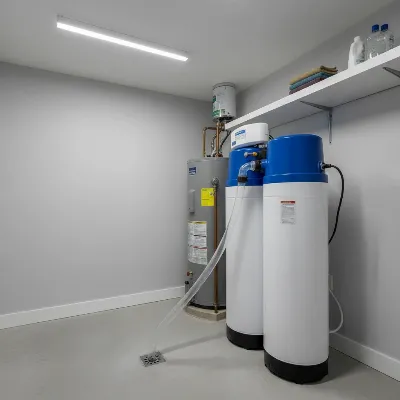
Discovering your water softener isn’t consuming salt can be an unwelcome surprise, often revealing itself through familiar signs of hard water like cloudy dishes, dry skin, or stubborn soap scum. A functional water softener relies on salt to regenerate its resin beads, the core component responsible for removing hard minerals from your water. When the system fails to use salt, this crucial regeneration process stops, rendering your softener ineffective. This comprehensive guide will walk you through the common culprits behind a salt-hungry, yet inactive, water softener and provide practical, step-by-step solutions to restore its performance and bring back the comfort of soft water to your home.
Understanding Your Water Softener and Why Salt is Crucial
A water softener operates on the principle of ion exchange, where mineral ions like calcium and magnesium, responsible for hard water, are swapped with sodium ions from the softener’s resin beads. This process effectively “softens” your water, preventing scale buildup and enhancing the efficacy of soaps and detergents. However, the resin beads eventually become saturated with hard minerals and need to be recharged. This is where salt plays its vital role. During a regeneration cycle, a concentrated saltwater solution, known as brine, flushes through the resin tank, stripping away the accumulated hard minerals and replenishing the resin with sodium ions.
When your water softener stops using salt, it means this critical regeneration isn’t happening. Without it, the resin beads remain saturated, and your system will continue to deliver hard water. Common indications that your softener isn’t working as it should include a noticeable decrease in soap lather, spots on dishes and glassware, mineral deposits around faucets, and a general feeling of dryness on skin and hair after showering. Addressing this issue promptly is essential not only for your comfort but also to protect your plumbing and appliances from the damaging effects of hard water.
Common Reasons Your Water Softener Isn’t Using Salt
When your water softener mysteriously stops consuming salt, it’s typically due to one of several common mechanical or maintenance issues within the system. Identifying the specific problem is the first step toward a successful fix.
Salt Bridge Formation
Table is empty.A salt bridge is a hard, crusty layer of salt that forms within the brine tank, creating an empty space between the salt and the water below. This prevents the salt from dissolving into the water to create the necessary brine solution. You might mistakenly think your tank is full, but the salt isn’t reaching the water.
This issue is often caused by high humidity, significant temperature fluctuations in the area where the softener is located, or the use of lower-quality salt that tends to clump together. To identify a salt bridge, gently push a broom handle or a similar sturdy, non-sharp tool into the salt pile. If you feel a hollow space or a hard crust before reaching the bottom of the tank, you likely have a salt bridge. Carefully push into the bridge in several places to break it apart. Be cautious not to damage the tank’s interior.
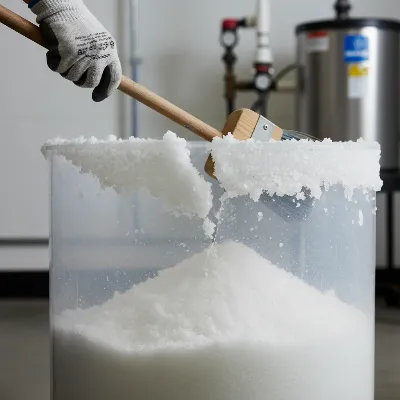 A hand with a broom handle carefully breaking up a salt bridge in a water softener brine tank.
Salt Mushing
Unlike a salt bridge, salt mushing occurs when salt granules break down and recrystallize into a thick, sludgy block at the bottom of the brine tank. This dense layer can effectively block the brine solution from being drawn into the resin tank during regeneration. It’s a more serious issue than a salt bridge and can be harder to break up with a simple poke.
Salt mushing often results from using rock salt or lower-purity salt, which contains more impurities that settle and form sludge. If you can’t break up the salt formation with a broom handle and it feels dense and unyielding, you likely have salt mushing. The only effective solution is to manually remove all the old salt, thoroughly clean the brine tank, and then refill it with fresh, high-purity evaporated salt pellets. This will ensure proper dissolution and prevent future clogs.
Clogged Brine Line or Injector (Venturi)
The brine line is a crucial small tube that carries the salty brine solution from the brine tank to the resin tank during the regeneration cycle. The injector, also known as a venturi, is a component that creates the suction necessary to draw this brine into the system. If either of these gets clogged, the brine cannot reach the resin, and thus, no salt will be used.
Blockages in these parts are typically caused by sediment, iron particles, or salt deposits accumulating over time. A common symptom of a clogged injector is an unusually high water level in the brine tank, as the water cannot be drawn out. You might also notice a lack of the characteristic suction noise during the regeneration phase. To fix this, you’ll need to locate and inspect the brine line for kinks or visible blockages. For the injector, it usually requires shutting off the water, bypassing the softener, and carefully removing the injector assembly (often located near the control valve) for cleaning. A fine needle or safety pin can help clear small openings, but consult your owner’s manual for specific instructions.
Malfunctioning Float Valve
The float valve assembly within the brine tank is responsible for controlling the water level. It works much like the float in a toilet tank, rising and falling with the water to signal when to stop filling. If this float valve is stuck, broken, or incorrectly installed, it can disrupt the proper water level, preventing brine formation and salt usage.
If your brine tank is either completely dry or consistently overfilled with water, a malfunctioning float valve could be the culprit. A dry tank means insufficient water to dissolve the salt, while an overfilled tank indicates the valve isn’t shutting off the water supply. To check it, gently lift the float assembly. It should move freely without resistance. If it feels jammed, sediment or salt buildup is likely preventing its movement. Cleaning the float assembly thoroughly can often resolve this issue, ensuring it operates smoothly to maintain the correct water level.
Control Valve or Timer Issues
The control valve acts as the brain of your water softener system, managing the entire regeneration process, including when and how much salt is used. It often includes a timer that dictates the regeneration schedule. If this control unit malfunctions, the softener may simply fail to initiate regeneration cycles, leading to no salt consumption.
Common issues include power outages that reset the internal clock, incorrect programming (such as an improper hardness setting or regeneration frequency), or internal wear and tear on the valve itself. If your unit isn’t regenerating at its scheduled times, or if the clock appears incorrect after a power flicker, these are strong indicators of a control issue. Start by checking the power connection and resetting the time and regeneration settings according to your owner’s manual. Many modern softeners allow you to run a manual regeneration cycle; attempting this can help diagnose if the control valve is responsive. If settings are correct and a manual regeneration doesn’t resolve the issue, internal valve problems may require professional assistance.
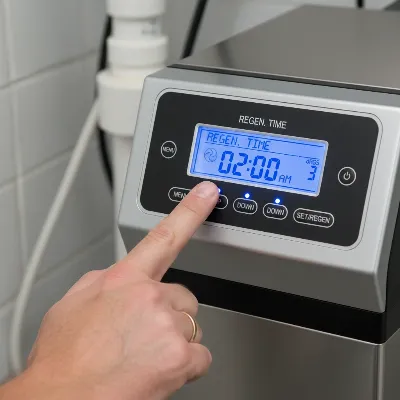 A hand adjusting the digital control panel settings of a water softener.
Other Potential Issues
While salt bridges, mushing, and clogged components are the most frequent causes, other factors can also lead to your water softener not using salt:
- Low Water Pressure: Insufficient water pressure can prevent the brine solution from being drawn into the resin tank effectively.
- Clogged Drain Line: During regeneration, waste brine is flushed out through a drain line. If this line is kinked, clogged with sediment, or frozen, the system cannot complete its cycle, impacting salt usage.
- Resin Bed Fouling or End-of-Life: Over many years of use (typically 10-15+ years), the resin beads can become permanently fouled by iron or other contaminants, or simply wear out. This can lead to inefficient regeneration, even if salt is being drawn, eventually manifesting as reduced or inconsistent salt usage as the system struggles to perform.
These issues might require more in-depth diagnosis or professional intervention, but it’s worth considering them if the more common fixes don’t yield results.
Step-by-Step Troubleshooting Guide
When your water softener isn’t using salt, a systematic approach to troubleshooting can help you identify and resolve the problem efficiently. Always prioritize safety before beginning any work on your system.
-
Safety First: Turn Off Water and Bypass Softener
Before inspecting any internal components, turn off the main water supply to your house or, at minimum, locate the bypass valve on your water softener and switch it to the “bypass” position. This will stop water from flowing into and out of the softener, preventing spills and allowing you to work safely. -
Inspect the Brine Tank
Remove the lid of the brine tank and visually inspect the salt.- Check for a Salt Bridge: Use a broom handle or a similar blunt tool to gently probe the salt. Push down firmly but carefully. If you encounter a hard crust with a hollow space beneath, you’ve found a salt bridge. Break it up into smaller pieces to allow the salt to dissolve.
- Check for Salt Mushing: If the salt feels like a dense, immovable block at the bottom, it’s likely salt mushing. This requires scooping out all the old salt, cleaning the tank, and refilling it with fresh, high-quality pellets.
- Verify Water Level: After dealing with any salt issues, check the water level. Typically, there should be a few inches of water visible at the bottom, below the salt. If the tank is completely dry or excessively full (above the salt level during normal operation), this indicates another problem, possibly with the float valve or control valve.
-
Check Brine Line & Float Valve Assembly
- Brine Line: Locate the smaller tube connecting the brine tank to the main control valve. Inspect it for any visible kinks, pinches, or signs of blockage (like salt crystals or debris). Ensure all connections are secure and leak-free.
- Float Valve: Gently lift the float assembly inside the brine well (a narrower tube inside the brine tank). It should move up and down freely. If it’s stuck, remove it (following your manual’s instructions) and clean any sediment or salt buildup on the float mechanism. Reinsert it carefully.
-
Examine and Clean the Injector/Venturi
The injector is usually located within the control valve head. You’ll typically need to bypass the softener and relieve pressure before opening this component. Refer to your owner’s manual for specific instructions on how to access and clean the injector assembly. Sediment or debris can easily clog the small opening of the injector, preventing brine draw. A small wire or safety pin can be used to clear blockages, but extreme care is needed to avoid damage. -
Verify Control Settings
- Power and Clock: Ensure the softener is plugged in and has power. If there was a power outage, reset the clock to the correct time.
- Regeneration Schedule: Check the programming to confirm that the regeneration frequency and time are correctly set according to your household’s water usage and hardness levels. An incorrect setting might mean the softener isn’t regenerating often enough to use salt.
- Hardness Setting: Verify the water hardness setting matches your actual water hardness. If the setting is too low, the system might not regenerate frequently enough.
-
Test Regeneration Cycle
After performing any necessary fixes, manually initiate a regeneration cycle (consult your manual for how to do this). Listen for the various stages, particularly the brine draw phase, where you should hear the sound of water being drawn from the brine tank. Observe if the water level in the brine tank drops during this phase, indicating salt is being used.
> “Many water softener problems stem from simple maintenance oversights. Regularly inspecting your brine tank and understanding your system’s basic functions can save you from costly repairs and the inconvenience of hard water.” – John Smith, Master Plumber, Water Treatment Specialist
Preventing Future Salt Usage Problems
Proactive maintenance is key to ensuring your water softener operates efficiently and avoids issues like not using salt. By incorporating a few simple habits into your routine, you can extend the life of your system and enjoy consistently soft water.
- Use High-Quality Salt Pellets: Always opt for high-purity, evaporated salt pellets or crystals specifically designed for water softeners. Avoid rock salt or lower-grade salts, as they contain more impurities that can lead to salt mushing and clogged components.
- Maintain Optimal Salt Levels: Do not overfill your brine tank. Keep the salt level consistently above the water level, ideally around half to two-thirds full. Overfilling can promote salt bridging by limiting air circulation and movement. Check your salt level monthly and refill as needed.
- Regularly Break Up Salt Bridges: Even with good quality salt, environmental factors can sometimes cause bridging. Get into the habit of gently probing your salt tank with a broom handle every month or two to proactively break up any forming crusts before they become a problem.
- Clean the Brine Tank Periodically: Aim to clean out your brine tank every 6-12 months. This involves scooping out any remaining salt, draining the water, and scrubbing away any sludge or buildup from the bottom and sides. This prevents mushing and keeps the float valve and brine line clear.
- Consider a Sediment Pre-filter: If you have well water or municipal water with high sediment levels, installing a sediment pre-filter before your water softener can significantly reduce the amount of debris entering the system. This helps prevent clogs in the brine line, injector, and control valve.
- Schedule Professional Maintenance: For complex issues or simply peace of mind, consider scheduling annual professional maintenance. A technician can inspect internal components, verify settings, clean hard-to-reach parts, and ensure your system is operating at peak efficiency. This is especially beneficial if your area has very hard water or specific water quality challenges.
By following these practical tips, you can significantly reduce the likelihood of your water softener encountering salt-related issues, ensuring a continuous supply of soft water for your home.
Buying Guide: What to Consider for a New System
If, despite your best troubleshooting efforts, your water softener continues to malfunction or if it’s an older unit (typically over 10-15 years old), it might be time to consider a replacement. Investing in a new system can offer improved efficiency, modern features, and renewed reliability. Here are key factors to consider when purchasing a new water softener:
- Water Hardness and Household Size: These are crucial for determining the necessary capacity (measured in grains) of your new softener. A water test will give you your hardness level, and your household’s water usage dictates the required regeneration frequency. A correctly sized unit will operate more efficiently and last longer.
- Type of Water Softener: While most common are salt-based (ion exchange) systems, you might encounter salt-free alternatives (conditioners). Understand the differences in their operation and whether a salt-free system truly meets your softening needs.
- Brand Reputation and Reviews: Research reputable brands known for their durability, customer support, and product innovation. Reading user reviews can provide insights into real-world performance and common issues.
- Features and Technology: Modern softeners offer features like demand-initiated regeneration (regenerates only when needed, saving salt and water), Wi-Fi connectivity for remote monitoring, and advanced diagnostics. Consider which features align with your lifestyle and budget.
- Warranty and Support: A strong warranty on the control valve and resin tank is a good indicator of product quality. Also, ensure the manufacturer or dealer offers reliable customer support and easy access to parts and service.
- Installation Requirements: Consider whether you’ll undertake a DIY installation or hire a professional. Factor in plumbing compatibility and space requirements.
Making an informed decision on a new water softener can ensure years of trouble-free operation and the consistent benefits of soft water throughout your home.
Conclusion
A water softener that isn’t using salt is a clear signal that your system is failing to perform its essential function, leading to a return of hard water issues in your home. By systematically investigating common causes such as salt bridges, mushing, clogged brine lines, malfunctioning float valves, or control panel errors, you can often pinpoint and resolve the problem yourself. Regular maintenance, including using high-quality salt and periodic tank cleaning, is your best defense against these frustrating occurrences. Proactive checks ensure your system remains efficient, protecting your appliances and enhancing your daily comfort.
What role does your water softener play in your daily comfort, and how do you ensure it continues to deliver perfectly soft water?
Frequently Asked Questions
How often should I check the salt in my water softener?
You should check your water softener’s salt level monthly. Ensure the salt level remains above the water level, ideally keeping the tank about half to two-thirds full to prevent issues like salt bridging or mushing and ensure continuous soft water.
Can I use any type of salt in my water softener?
No, it’s best to use high-purity, evaporated salt pellets or crystals specifically designed for water softeners. Using rock salt or lower-grade salts can lead to impurities building up, causing salt mushing, bridging, and potential clogs within your system.
What are the signs of hard water returning?
Signs of hard water returning include dishes with spots or cloudy film, dry or itchy skin and hair after showering, soap and shampoo not lathering well, and new mineral scale buildup on faucets, showerheads, or inside appliances.
How long do water softener issues take to fix?
Many common Water Softener issues, such as breaking a salt bridge or cleaning a clogged brine line, can be resolved within an hour or two by a homeowner. More complex problems, like replacing a control valve, might take longer or require professional assistance.
When should I call a professional for my water softener?
You should call a professional if you’ve tried common troubleshooting steps and the problem persists, if you suspect an internal mechanical failure (like a faulty control valve), if you’re uncomfortable performing the repair yourself, or if your softener is old and showing signs of extensive wear.