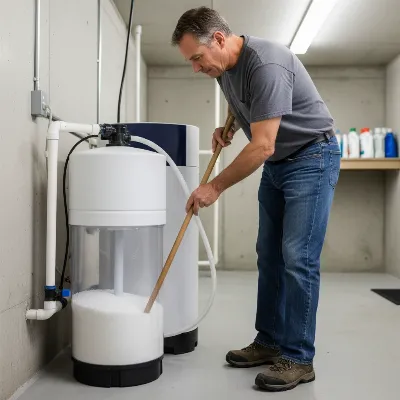
A constantly running water softener can quickly turn into a frustrating problem, draining gallons of precious water and wasting salt, all while failing to soften your home’s water effectively. This common issue often signals a hiccup in the system’s regeneration cycle, but don’t panic – many of these problems have straightforward DIY solutions. Understanding the underlying causes and knowing how to troubleshoot them can save you from costly professional repairs and restore your system’s efficiency. This guide will walk you through identifying why your water softener won’t stop running and provide step-by-step instructions to get it back on track.
Understanding the Problem: Why Your Water Softener Runs Continuously
Normally, a water softener operates through distinct cycles, including a regeneration phase where it cleans its resin beads. This regeneration is a temporary process, typically lasting an hour or two, after which the system returns to service, providing softened water without continuous drainage. When your water softener keeps running water non-stop, it’s usually stuck in one of these regeneration phases, or a component failure is causing a constant flow to the drain. The consequences of this malfunction extend beyond mere annoyance, leading to significant water waste, excessive salt consumption, and ultimately, a lack of soft water throughout your home. Your utility bills can soar, and you might notice hard water spots returning on dishes and fixtures despite the softener’s continuous operation.
Key Components Involved in Water Softener Operation
To effectively troubleshoot a continuously running water softener, it’s helpful to understand the primary components that regulate its operation:
- Control Valve: Often called the “brain” of the water softener, the control valve directs water flow through different cycles, including backwash, brine draw, slow rinse, and fast rinse. It’s an intricate mechanism with seals, spacers, and a piston, all working in unison. A malfunction here is a frequent culprit for continuous drainage.
- Brine Tank & Float Valve: The brine tank holds the salt that creates the brine solution used to regenerate the resin beads. Inside the brine tank, a float valve assembly regulates the water level. If this float valve gets stuck or malfunctions, the tank can overfill, leading to issues that keep the system running.
- Drain Line & Injector: The drain line carries wastewater (including the hard mineral-laden brine) out of the system during regeneration. The injector (also known as the venturi or eductor) creates the suction needed to draw brine from the brine tank into the resin tank. A blockage in either of these can prevent proper regeneration and cause continuous draining.
Common Causes of a Water Softener Running Non-Stop
When your water softener seems to be in a perpetual cycle of flushing water, several common issues could be at play. Identifying the specific problem is the first step towards a successful DIY fix.
Stuck Control Valve or Piston
Table is empty.The control valve orchestrates the entire regeneration process, moving a piston that directs water flow through various stages. If this piston gets stuck due to mineral buildup, wear and tear on seals, or a motor malfunction, the valve can fail to advance to the next cycle or get stuck in a drain position. This results in water continuously flowing to the drain. You might hear the sound of water constantly running, even when the system should be in service mode.
Clogged Drain Line
The drain line is crucial for expelling the salty wastewater during regeneration. If this line becomes kinked, blocked by sediment, or experiences a buildup of salt crystals, the system cannot properly clear the brine solution. This obstruction can create back pressure, causing the softener to remain in a regeneration phase, attempting to flush out the brine that isn’t draining effectively.
Salt Bridge or Mushing in Brine Tank
A “salt bridge” is a hardened crust of salt that forms in the brine tank, creating a hollow space between the salt and the water below. “Salt mushing” is when the salt at the bottom of the tank turns into a slushy, compacted mass. Both prevent the salt from dissolving properly to create the brine solution needed for regeneration. Without adequate brine, the system may run continuously in an attempt to complete an incomplete regeneration cycle, or the brine tank may overfill.
Malfunctioning Float Valve
The float valve in the brine tank acts as a safety mechanism, signaling the control valve to stop filling the brine tank when the water reaches a certain level. If this float valve is stuck in the “down” position, misaligned, or physically damaged, the brine tank will continue to fill with water, potentially leading to an overflow and continuous draining as the system tries to manage the excess liquid.
Clogged Injector
The injector (or venturi) creates a vacuum to draw the brine solution from the brine tank into the resin tank for regeneration. If this small component becomes clogged with dirt, sediment, or iron particles, it won’t be able to draw the brine. This often leads to the water softener attempting to regenerate indefinitely, constantly running water but failing to complete the cycle.
Low Water Pressure
The regeneration process requires adequate water pressure to move water through the system efficiently. If your home’s water pressure is consistently too low, the softener may struggle to complete its cycles, particularly the backwash and rinse phases. The system might interpret this as an incomplete cycle and continue running water in an effort to finish.
Improper Programming or Electrical Issues
Though less common for continuous running, incorrect programming of the control head or a faulty circuit switch can also lead to issues. The control head dictates the timing and duration of each regeneration step. If programmed incorrectly or if an electrical component malfunctions, the softener might get stuck in an endless loop.
DIY Troubleshooting Guide: Step-by-Step Fixes
Before calling a professional, many common water softener issues that cause continuous running can be resolved with a few DIY troubleshooting steps. Always ensure safety by turning off the water supply to the softener and bypassing it before performing any internal checks.
Step 1: Bypass Your Water Softener
The very first action you should take is to put your water softener in bypass mode. This stops the flow of water through the softener and directly to your home, immediately halting the continuous drainage and preventing water waste. Most softeners have a bypass valve or a series of valves (inlet, outlet, and bypass) that you can operate. Consult your owner’s manual for specific instructions, but generally, you’ll push a lever or turn two valves to engage bypass. If the water flow to the drain stops after bypassing, you’ve confirmed the softener is the source of the problem.
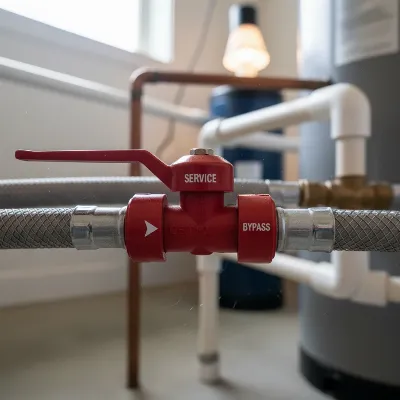 Water softener bypass valve engaged, stopping water flow for troubleshooting
Step 2: Check the Control Valve and Cycle
With the softener bypassed, you can now inspect the control valve. This is often the primary suspect when water keeps running.
- Manual Regeneration: Many control valves allow you to manually advance through the regeneration cycles. Try advancing the valve one step at a time, listening for any changes in water flow or sounds from the unit. If it gets stuck at a particular stage, it could indicate a mechanical issue with the piston or seals.
- Inspect for Damage: Look for any visible cracks, leaks, or wear around the control valve assembly. Sometimes, worn seals or spacers prevent the piston from seating correctly, allowing water to continuously seep to the drain.
- Check Programming: If your softener has an electronic control head, verify that the programming settings (time of day, regeneration frequency, water hardness) are correct according to your manual and local water conditions. An incorrect setting might cause it to regenerate at odd times or more frequently than needed.
Step 3: Inspect and Clear the Drain Line
A clogged or restricted drain line is a straightforward fix.
- Check for Kinks: Trace the drain line from your softener to its discharge point (e.g., a floor drain or utility sink). Ensure there are no sharp bends, kinks, or objects pinching the hose.
- Look for Blockages: Disconnect the drain line from the control valve (ensure the softener is in bypass first). Carefully inspect the opening for any visible sediment, mineral buildup, or debris. You might be able to clear minor blockages with a piece of wire or by flushing it with water.
- Clean the Drain Line Flow Control (DLFC): Some softeners have a small flow control fitting or button inside the drain line connection. This can get clogged and restrict flow. Remove it and clean it thoroughly if accessible.
Step 4: Address Brine Tank Issues (Salt Bridge, Mushing, Float Valve)
Problems within the brine tank are very common.
- Break Up Salt Bridges: If you see a hard crust of salt in your brine tank, gently use a broom handle or a similar blunt object to break it up. Work carefully to avoid damaging the internal components, particularly the float assembly. Once broken, the salt should fall to the bottom, allowing water to dissolve it properly.
- Clear Salt Mushing: If the bottom of your brine tank is filled with a compacted, slushy mass of salt, you’ll need to scoop it out. This often requires removing all the salt, cleaning the tank, and refilling it with fresh, high-quality salt.
- Inspect the Float Valve Assembly: Remove the cap from the brine well (the narrow pipe inside the brine tank where the float assembly resides). Gently lift and lower the float. It should move freely without resistance. Look for any salt or debris that might be sticking to the float rod or the housing, preventing it from moving correctly. Clean any buildup you find. Ensure the float is properly aligned and not damaged.
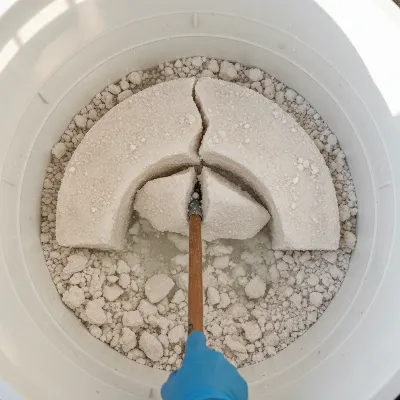 Salt bridge inside a water softener brine tank with a hand breaking it
Step 5: Clean the Injector
The injector is a small but critical component.
- Locate and Remove: The injector is usually located on the side or back of the control valve head. Refer to your owner’s manual for its exact location and removal instructions, as this can vary by model. You’ll likely need to unscrew a cap to access it.
- Clean Thoroughly: Once removed, inspect the injector for any clogs, sediment, or mineral buildup in its small opening. Use a small wire, a toothpick, or a soft brush to carefully clear any obstructions. You can also soak it in a vinegar solution to help dissolve mineral deposits. Ensure all parts are clean before reassembling.
Step 6: Verify Water Pressure
While not a direct fix, low water pressure can exacerbate regeneration issues.
- Test Your Home’s Water Pressure: Use a water pressure gauge (available at hardware stores) to test the pressure at an outdoor spigot or other accessible faucet. Most water softeners require pressure between 40-60 PSI for optimal operation. If your pressure is consistently below 40 PSI, it might be contributing to the softener getting stuck. Addressing overall home water pressure issues may require professional help.
Step 7: Reset or Reprogram the Control Head
Sometimes, an electronic glitch or incorrect setting can cause persistent running.
- Power Cycle: Unplug the softener from its power source for a few minutes, then plug it back in. This can sometimes reset the internal electronics and clear minor errors.
- Review Manual Settings: Double-check all programming, especially the regeneration frequency and hardness settings. If these are too high, the softener might be trying to regenerate too often.
When to Call a Professional
While many issues can be resolved with DIY efforts, some problems require the expertise of a professional. If you’ve diligently worked through the troubleshooting steps above and your water softener continues to run water non-stop, it’s likely time to call a qualified water treatment technician or plumber. Complex issues such as a severely damaged control valve, internal component failure (like a broken motor), or recurring problems despite your best efforts often need specialized tools and knowledge. Attempting advanced repairs without the proper expertise could lead to further damage and more expensive fixes down the line.
“A persistent drain flow often points to a control valve problem. While simple fixes like clearing a drain line are DIY-friendly, anything involving internal valve components usually benefits from a seasoned technician’s touch to ensure long-term reliability.” – Admin, Reviewcopia.com, Water Treatment Specialist
Preventive Maintenance to Avoid Future Issues
Regular maintenance is key to prolonging the life of your water softener and preventing issues like continuous running. A proactive approach can save you time, money, and frustration.
- Regular Salt Checks: Make it a habit to check your brine tank salt levels monthly. Ensure it’s always at least one-quarter full. Use high-quality, pure water softener salt (pellets or crystals) to minimize impurities that can cause mushing or bridging.
- Brine Tank Cleaning: Periodically (e.g., once a year), empty and clean your brine tank. This helps remove any salt mush, sediment, or debris that accumulates at the bottom, which can impede the float valve or clog the injector.
- System Inspections: During your salt checks, quickly inspect the entire system. Look for any visible leaks, kinks in hoses, or unusual sounds. Early detection of minor issues can prevent them from escalating into major problems.
- Scheduled Professional Maintenance: Even with regular DIY care, consider having a professional inspect and service your water softener every few years. They can perform deeper diagnostics, clean internal components, and check for wear on critical parts like seals and pistons, which might not be easily accessible to the average homeowner.
By incorporating these maintenance tips into your routine, you can significantly reduce the likelihood of your water softener getting stuck in a continuous running cycle and ensure it continues to provide your home with the soft water you expect.
Conclusion
A water softener that continuously runs water is more than just an inconvenience; it’s a clear signal that your system is not functioning as it should, leading to wasted resources and ineffective water treatment. Fortunately, many of these issues, from a clogged drain line to a troublesome salt bridge, are often resolvable with a few simple DIY troubleshooting steps. By systematically checking the control valve, brine tank components, and drain line, you can often pinpoint and rectify the problem yourself, restoring your softener’s efficiency and protecting your home from hard water nuisances. Regular maintenance is your best defense against such breakdowns, ensuring your system runs smoothly for years to come. Don’t let a running softener leave you frustrated—take action and enjoy the benefits of soft water once again. What steps will you take today to ensure your water softener is operating at its best?
Frequently Asked Questions
Why does my water softener keep running even after a regeneration cycle?
If your water softener continues to run after regeneration, it often indicates the control valve or piston is stuck, preventing the system from advancing to the next stage. This can also be caused by a clogged drain line or a malfunctioning float valve that is not properly signaling the end of a cycle.
Can a salt bridge cause a water softener to continuously drain?
Yes, a salt bridge can definitely cause continuous drainage. A salt bridge prevents the salt from dissolving to create the brine solution needed for regeneration. When the system can’t draw enough brine, it may get stuck in the regeneration cycle, continuously running water in an attempt to complete it.
How can I stop my water softener from wasting water immediately?
To immediately stop your water softener from wasting water, locate and engage the bypass valve on your unit. This will reroute water directly to your home, bypassing the softener entirely and stopping any continuous flow to the drain. You can then begin troubleshooting the issue.
What are the signs of a stuck float valve in the brine tank?
Signs of a stuck float valve include the brine tank continuously filling with water and overflowing, or the water softener running water non-stop as it struggles to complete the brine draw phase. You might also notice the softener consuming excessive salt without effectively softening water.
Is it normal for a water softener to run water for a long time?
A Water Softener will run water during its regeneration cycle, which typically lasts between 60 to 90 minutes, sometimes up to two hours depending on the model and settings. However, it is not normal for it to continuously run water for many hours outside of this defined regeneration period, as this indicates a malfunction.