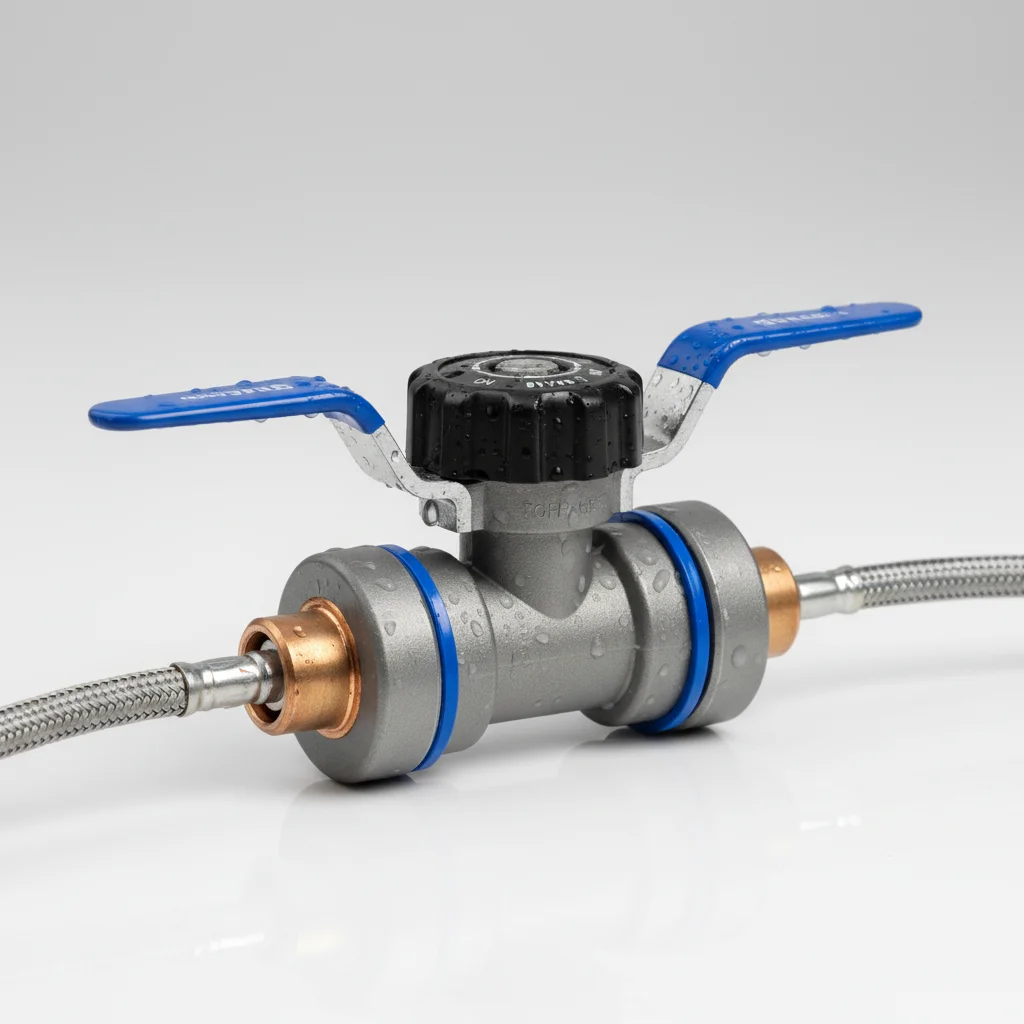
A water softener bypass valve should be used during system maintenance, when performing repairs, or if you need untreated water for specific tasks like watering outdoor plants. This mechanism allows you to isolate your water softener from your home’s main water supply without shutting off water to your entire house, ensuring continuous water flow while you work on the unit or use hard water.
What is a Water Softener Bypass Valve?
A water softener bypass valve is a plumbing component that allows water to flow directly from your main water line into your home, completely bypassing the water softener unit. It typically consists of one or more valves that, when manipulated, divert the water’s path. Most modern water softeners come with an integrated bypass valve, often a single lever or a set of three valves (inlet, outlet, and bypass) that you can turn. Knowing its location and how it operates is fundamental for any homeowner with a water softening system. For shop curated home water on this site.
When to Engage the Bypass Valve
There are several critical times when engaging your water softener bypass valve is necessary. Firstly, if you’re performing any maintenance on the softener, such as cleaning the brine tank or checking the resin bed, bypassing the unit prevents water from flowing into it, making the process safer and cleaner. Secondly, if your water softener is leaking or malfunctioning, engaging the bypass valve immediately stops the leak and allows you to continue using water in your home while you diagnose or repair the issue. Lastly, for tasks that require hard water, like watering outdoor plants or filling a swimming pool, bypassing the softener can save on salt and prevent unnecessary wear on the system.
- Performing routine maintenance (e.g., cleaning, filter changes)
- Diagnosing or repairing a leak in the softener unit
- If the softener is malfunctioning and needs to be taken offline
- When you need untreated water for specific outdoor tasks
- During extended vacations to prevent stagnant water in the unit
How to Operate Your Bypass Valve
|
Our Picks for the Best Water Softener in 2026
As an Amazon Associate I earn from qualifying purchases.
|
||
| Num | Product | Action |
|---|---|---|
| 1 | RVGUARD 16,000 Grains Portable Water Softener for RV, Reduces Hardness & Minerals & Improve Water Quality, Protects Water Systems from Hard Water Damage |

|
| 2 | RV Water Softener with Water Hose, 16000 Grains 3/4" Brass Fittings Food-Grade Resin Soften Hard Water Improve Water Quality Portable Water Softener for RV, Trailers |
|
| 3 | H&G Lifestyles Whole House Water Softener 32,000 Grains, NSF certified Whole Home Water Filtration System for Well & City Water, Remove Calcium Magnesium, Food Grade Resin, Silver-Enhanced, 700,000 Gl |
|
| 4 | RV Water Softener System with Heavy Metal Filter & Protective Cover | 16,000 Grain Capacity | Removes Odors, Extends Resin Life 15% | Universal Fit for Motorhome, Camper, Travel Trailer |
|
| 5 | iSpring ED2000 Whole House Water Descaler, Alternative Electronic Salt-Free Hard Water Conditioner, Reduces Limescale Prevent Deposits Build-up, Different from a Water Softener |
|
| 6 | On The Go OTG4-VM-DBLSOFT Portable Compact Double Standard 16,000 Grain Water Softener with Drinking Water Safe Brass Fittings (NOT made in China, assembled by U.S. Workers in Indiana |
|
| 7 | Crystala Filters Portable RV Water Softener, 16,000 Grain with Stainless Steel Garden Hose Quick Connects for RVs, Trailers, Boats, Mobile Car Washing, Pressure Washing |
|
| 8 | Electronic Water Descaler System for Whole House, Salt-Free Water Softener - Compatible with Most Pipes, Prevents Limescale Build-Up, Easy Install & Maintenance-Free |
|
| 9 | PRO+AQUA 16,000 Grain Portable Water Softener for RV, Trailers, Boats, Mobile Car Wash, Pressure Wash – Protects Water Systems from Hard Water Damage and Corrosion, with Pre-Filled High-Capacity Resin |
|
| 10 | VEVOR RV Water Softener, 16,000 Grain Portable Water Softener, with 3/4" Brass Fittings and 42" Hose, Soften Hard Water Filter System for RVs, Trailers, Boats, Mobile Car Washing, Pressure Washing |
|
Operating your water softener bypass valve is generally straightforward, though the exact method can vary slightly depending on your unit’s design. For a single-lever bypass, you typically push or pull the lever to switch between ‘service’ (water flowing through the softener) and ‘bypass’ (water bypassing the softener) positions. For a three-valve system, you would close the inlet and outlet valves to the softener and open the central bypass valve. Always consult your water softener’s manual for specific instructions, as incorrect operation could lead to water flow issues or damage. Ensure you turn the valves slowly and deliberately to avoid sudden pressure changes.
Troubleshooting Common Bypass Valve Issues
While bypass valves are generally reliable, they can sometimes develop issues. A common problem is a leaky bypass valve, which can result in a small amount of untreated water still entering your home or a slow drip. This often indicates worn O-rings or seals that need replacement. Another issue could be a valve that’s stuck, making it difficult to switch positions. In such cases, gentle lubrication or, if necessary, replacement of the valve assembly might be required. If you’re unsure, it’s always best to consult a professional plumber.
Benefits of Using the Bypass Valve Correctly
Properly utilizing your water softener bypass valve offers several significant benefits. It extends the lifespan of your water softener by allowing you to take it offline when not needed or during repairs, preventing unnecessary wear and tear. It also saves on operational costs, as you can avoid softening water for tasks where it’s not required, thus conserving salt and water. Furthermore, it provides peace of mind, knowing that you can quickly isolate your system in case of an emergency, preventing potential water damage to your home.
Frequently Asked Questions
What is the primary function of a water softener bypass valve?
The primary function of a water softener bypass valve is to divert the main water supply directly into your home, completely bypassing the water softener unit. This allows you to perform maintenance or repairs on the softener without interrupting the water supply to your house. It ensures continuous water flow even when the softener is offline.
When should I engage my water softener's bypass valve?
You should engage your water softener's bypass valve during maintenance, such as cleaning the brine tank, or when performing repairs like fixing a leak. Additionally, bypass the softener if you need untreated water for specific tasks like watering outdoor plants or filling a swimming pool to save on salt and wear.
How do I operate a single-lever water softener bypass valve?
To operate a single-lever bypass valve, you typically push or pull the lever to switch between 'service' and 'bypass' positions. The 'service' position allows water to flow through the softener, while 'bypass' diverts water around it. Always consult your unit's manual for precise instructions to avoid issues.
What are common issues with water softener bypass valves?
Common issues with bypass valves include leaks, often caused by worn O-rings or seals, and valves that become stuck, making them difficult to switch positions. A leaky valve can allow a small amount of untreated water into your home. Gentle lubrication or professional replacement may be required for a stuck valve.
Can using the bypass valve save me money?
Yes, correctly using the bypass valve can save you money by extending the lifespan of your water softener and reducing operational costs. By bypassing the softener for tasks that don't require soft water, you conserve salt and water, preventing unnecessary wear and tear on the system.
How to Operate Your Water Softener Bypass Valve
Operating your water softener bypass valve is straightforward, but the method varies slightly by unit design. This guide covers both single-lever and three-valve systems.
First, determine if your water softener has a single-lever bypass or a three-valve system. Most modern softeners feature an integrated single-lever design, while older models might have separate inlet, outlet, and bypass valves. Consult your water softener's manual for specific details.
For a single-lever bypass, locate the lever on the valve. You will typically push or pull this lever to switch between the 'service' position (water flowing through the softener) and the 'bypass' position (water bypassing the softener). Ensure the lever clicks securely into place.
If you have a three-valve system, close the inlet and outlet valves to the softener first. Then, open the central bypass valve to divert water around the unit. To return to service, close the bypass valve and reopen the inlet and outlet valves.
Regardless of your valve type, always turn the valves slowly and deliberately. This prevents sudden pressure changes in your plumbing system, which could lead to water flow issues or potential damage to your pipes or the softener itself. Listen for any unusual sounds during operation.
Get our weekly buyer guide
Practical specs, not advice. Unsubscribe anytime.

I always wondered how people managed to water their outdoor plants without using softened water. The tip about using the bypass valve for specific tasks like that is brilliant! I’ve been using softened water for everything, and my garden wasn’t thriving as much as I’d hoped. Now I know how to give my plants the untreated water they need.
The concept of the bypass valve is great for repairs, but I found that my older model’s three-valve system is a bit clunky to operate. It’s not as straightforward as a single lever, and I always have to double-check which way to turn them. It gets the job done, but I wish it was more user-friendly.
My water softener started acting up last week, and I was able to use the bypass valve to keep water flowing to my house while I waited for a technician. It was such a relief not to be without water for days. Understanding this mechanism really saved me a lot of hassle and inconvenience. Every homeowner should know about this feature.
I used to dread doing any kind of maintenance on my water softener because it meant shutting off water to the whole house. Finding out about the bypass valve and how it lets me isolate the unit without affecting my main water supply has been a game changer. It makes routine checks so much easier and less disruptive. Definitely a must-know for any homeowner with a softener.