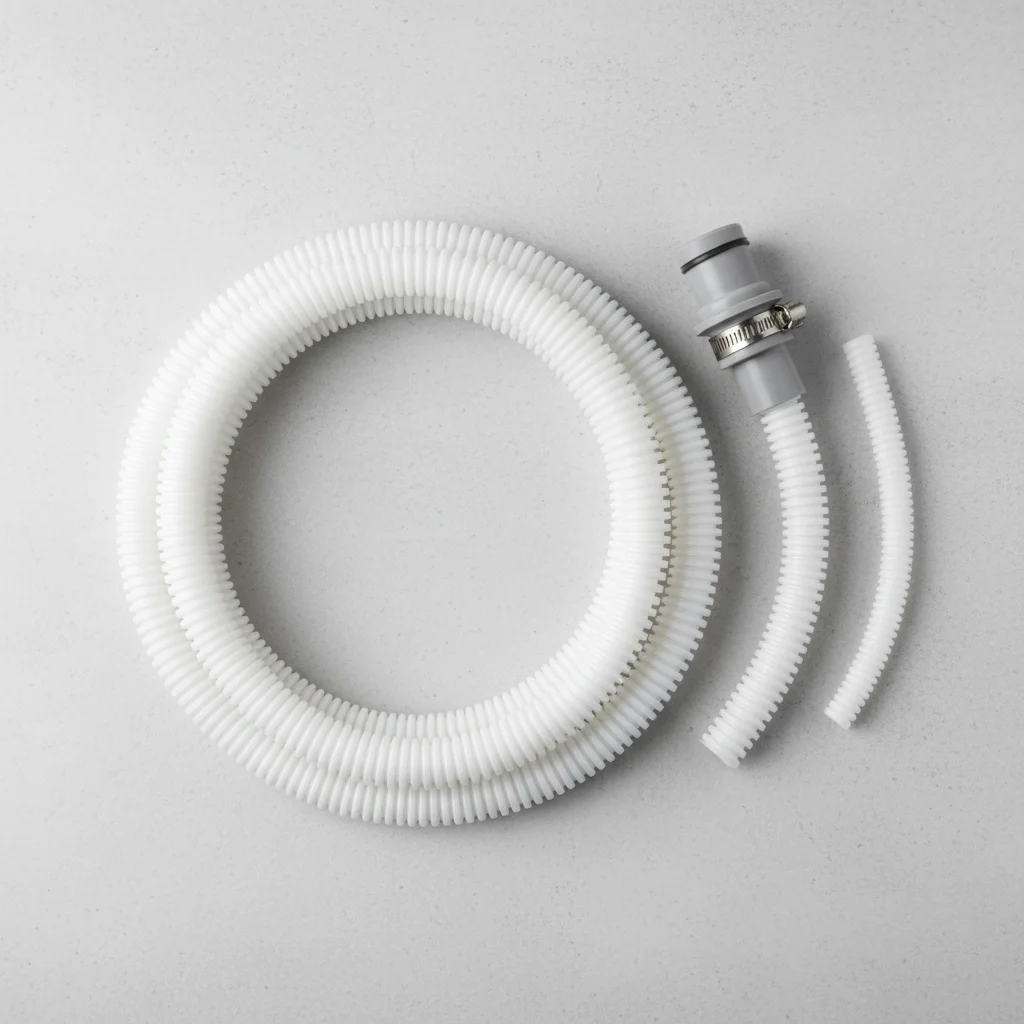
For most residential water softeners, a 1/2-inch inner diameter (ID) drain hose is sufficient to ensure efficient operation and prevent water damage. However, larger or commercial units may require a 3/4-inch ID hose to handle higher flow rates during regeneration cycles. Using the correct size is crucial, as an improperly sized hose can lead to back pressure, inefficient draining, and potential flooding.
Understanding Water Softener Drain Requirements
Water softeners discharge a significant amount of brine and wastewater during their regeneration cycle, flushing accumulated hardness minerals from the resin bed. The drain hose must accommodate this flow without restriction. Most manufacturers specify the required drain line size in their installation manuals; always consult this documentation first. Factors like the softener’s grain capacity and the distance to the drain can influence the optimal hose size. For more home water guides on this site.
Common Drain Hose Sizes and Their Applications
The two most common drain hose sizes for residential water softeners are 1/2-inch and 3/4-inch inner diameter. A 1/2-inch hose is suitable for standard residential softeners up to 48,000 grains, which typically regenerate with a flow rate this size can easily manage. For larger homes, high-capacity systems, or those with very hard water that regenerate more frequently, a 3/4-inch hose might be necessary. This larger diameter reduces the risk of clogging and ensures a smoother, faster discharge of wastewater.
- 1/2-inch ID: Ideal for most standard residential water softeners (up to 48,000 grains).
- 3/4-inch ID: Recommended for larger residential or light commercial units, or systems with high regeneration frequency.
- Proper slope: Ensure the drain hose has a continuous downward slope to prevent standing water and promote efficient drainage.
- Air gap: Always maintain an air gap between the drain hose and the standpipe or floor drain to prevent back-siphonage.
- Material: Use durable, flexible tubing designed for plumbing applications, such as reinforced PVC or PEX.
Installation Best Practices for Drain Hoses
When installing your water softener drain hose, follow several best practices to ensure long-term reliability. First, avoid kinks or sharp bends in the hose, as these can restrict flow and lead to blockages. Secure the hose firmly to the softener’s drain port and to the standpipe or drain point using appropriate clamps. Always ensure there is an air gap of at least 1 inch between the end of the drain hose and the flood level rim of the drain receptor. This prevents contaminated drain water from being siphoned back into your water softener or home’s plumbing system, a critical health and safety measure.
Consider the length of the drain hose as well. While a longer hose offers more flexibility in placement, excessive length can increase back pressure and reduce drainage efficiency. Aim for the shortest practical length while still allowing for proper routing and air gap. Regularly inspect the drain hose for any signs of wear, cracks, or blockages, especially if you notice your water softener is not regenerating properly or if there’s standing water around the unit. Replacing a worn hose proactively can prevent significant water damage and ensure your system continues to operate effectively.
Troubleshooting Drain Hose Issues
|
Our Picks for the Best Water Softener in 2026
As an Amazon Associate I earn from qualifying purchases.
|
||
| Num | Product | Action |
|---|---|---|
| 1 | iSpring ED2000 Whole House Water Descaler, Alternative Electronic Salt-Free Hard Water Conditioner, Reduces Limescale Prevent Deposits Build-up, Different from a Water Softener |

|
| 2 | H&G Lifestyles Whole House Water Softener 32,000 Grains, NSF certified Whole Home Water Filtration System for Well & City Water, Remove Calcium Magnesium, Food Grade Resin, Silver-Enhanced, 700,000 Gl |
|
| 3 | Crystala Filters Portable RV Water Softener, 16,000 Grain with Stainless Steel Garden Hose Quick Connects for RVs, Trailers, Boats, Mobile Car Washing, Pressure Washing |
|
| 4 | RVGUARD 16,000 Grains Portable Water Softener for RV, Reduces Hardness & Minerals & Improve Water Quality, Protects Water Systems from Hard Water Damage |
|
| 5 | Electronic Water Descaler System for Whole House, Salt-Free Water Softener - Compatible with Most Pipes, Prevents Limescale Build-Up, Easy Install & Maintenance-Free |
|
| 6 | PRO+AQUA 16,000 Grain Portable Water Softener for RV, Trailers, Boats, Mobile Car Wash, Pressure Wash – Protects Water Systems from Hard Water Damage and Corrosion, with Pre-Filled High-Capacity Resin |
|
| 7 | VEVOR RV Water Softener, 16,000 Grain Portable Water Softener, with 3/4" Brass Fittings and 42" Hose, Soften Hard Water Filter System for RVs, Trailers, Boats, Mobile Car Washing, Pressure Washing |
|
| 8 | RV Water Softener System with Heavy Metal Filter & Protective Cover | 16,000 Grain Capacity | Removes Odors, Extends Resin Life 15% | Universal Fit for Motorhome, Camper, Travel Trailer |
|
| 9 | RV Water Softener with Water Hose, 16000 Grains 3/4" Brass Fittings Food-Grade Resin Soften Hard Water Improve Water Quality Portable Water Softener for RV, Trailers |
|
| 10 | On The Go OTG4-VM-DBLSOFT Portable Compact Double Standard 16,000 Grain Water Softener with Drinking Water Safe Brass Fittings (NOT made in China, assembled by U.S. Workers in Indiana |
|
If you suspect an issue with your water softener’s drain hose, there are a few common problems to check. A clogged drain hose is a frequent culprit, often caused by sediment, resin beads, or mineral buildup. You can often clear minor clogs by disconnecting the hose and flushing it with water. If the hose is kinked or pinched, straighten it out or re-route it to ensure a clear path. Another issue can be an improper air gap, which can lead to gurgling noises or even backflow. Always verify that the air gap is present and correctly sized. If your water softener is constantly running water to the drain, it could indicate a problem with the control valve, but a restricted drain hose can exacerbate this issue. Addressing drain hose problems promptly can prevent more serious and costly repairs to your water softener system.
Maintaining Your Drain Hose for Longevity
Regular maintenance of your water softener’s drain hose is simple but effective. Periodically check the hose for any signs of wear, such as cracks, brittleness, or discoloration. Over time, plastic hoses can degrade due to exposure to chemicals and temperature fluctuations. Ensure all connections are secure and free from leaks. If you live in an area with particularly hard water or high sediment, consider flushing the drain hose every few months to prevent mineral buildup. This can be done by disconnecting it from the drain and running water through it. A well-maintained drain hose ensures your water softener operates efficiently, protecting your home from potential water damage and ensuring a consistent supply of soft water.
Frequently Asked Questions
What is the standard drain hose size for residential water softeners?
The standard drain hose size for most residential water softeners is 1/2-inch inner diameter (ID). This size is typically sufficient for units up to 48,000 grains, handling the flow rates during regeneration cycles effectively.
When should I use a 3/4-inch drain hose for my water softener?
You should use a 3/4-inch drain hose for larger residential or light commercial water softeners, high-capacity systems, or units that regenerate frequently due to very hard water. This larger diameter helps reduce clogging and ensures faster wastewater discharge.
Why is an air gap important for a water softener drain hose?
An air gap is crucial for a water softener drain hose to prevent back-siphonage. It ensures that contaminated drain water cannot be siphoned back into your water softener or home's plumbing system, maintaining health and safety standards.
How often should I inspect my water softener drain hose?
You should regularly inspect your water softener drain hose for signs of wear, cracks, or blockages. Proactive checks, especially if you notice regeneration issues or standing water, can prevent significant water damage and ensure efficient system operation.
What are common causes of drain hose issues in water softeners?
Common causes of drain hose issues include clogs from sediment, resin beads, or mineral buildup, as well as kinks or pinches in the hose. An improper air gap can also lead to problems like gurgling noises or backflow.
Install a Water Softener Drain Hose
Properly installing your water softener drain hose ensures efficient operation and prevents potential water damage. Follow these steps for a reliable setup.
Attach the drain hose firmly to the softener's drain port using appropriate clamps. Ensure all connections are tight to prevent leaks during regeneration cycles.
Route the hose to the standpipe or drain point, ensuring a continuous downward slope. Avoid kinks or sharp bends that can restrict flow and lead to blockages or inefficient drainage.
Maintain an air gap of at least 1 inch between the end of the drain hose and the flood level rim of the drain receptor. This critical step prevents back-siphonage of contaminated water into your home's plumbing.
After installation, inspect the entire length of the hose for any signs of wear, cracks, or potential blockages. Run a regeneration cycle to test for proper drainage and confirm there are no leaks.
Get our weekly buyer guide
Practical specs, not advice. Unsubscribe anytime.

The advice about checking the manufacturer’s manual is spot on, but sometimes those manuals are hard to find or not very clear. I ended up guessing based on the softener’s size and got a 1/2-inch, which works, but I still wish there was a more straightforward way to confirm without digging through old papers. It’s doing the job though.
I was having issues with my old drain hose backing up during regeneration, and I couldn’t figure out why. After reading about the importance of the correct ID, I realized my old one was too small. Switched to a 1/2-inch hose for my residential unit, and it’s been perfect ever since. No more worries about flooding in the utility room!
This really helped me understand why my previous setup was causing problems. I had a smaller hose that was creating back pressure, and I didn’t even realize it was affecting the efficiency of my softener. Upgraded to the recommended 1/2-inch for my standard unit, and the regeneration cycles seem much smoother now.
Good info here. I always just used whatever hose came with the unit, but it makes sense that the grain capacity would affect the flow. My new softener is a bigger one, so I went with the 3/4-inch ID hose just to be safe. It handles the brine discharge really well, no complaints.